
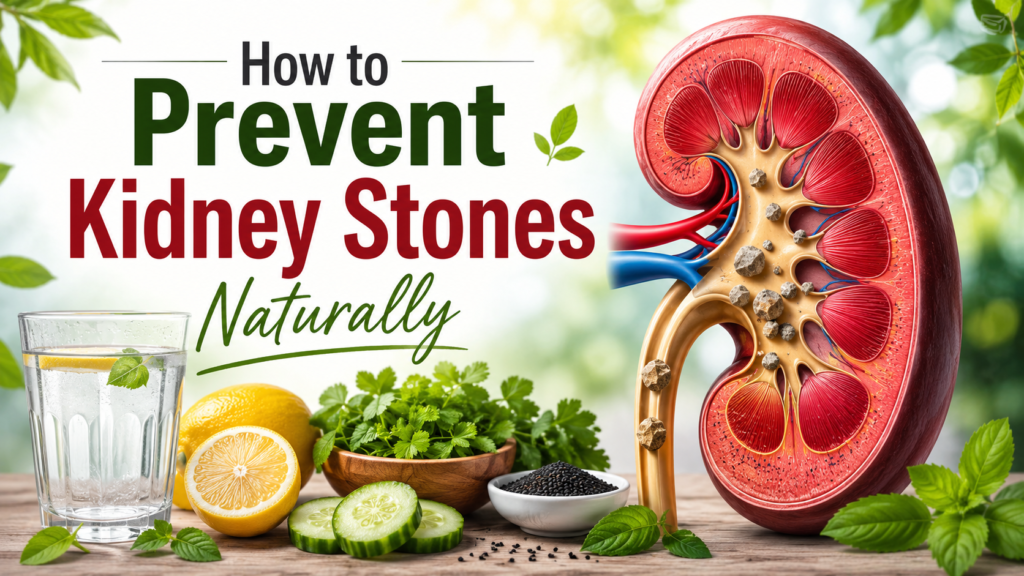
Prevent Kidney Stones with simple everyday habits that support proper hydration, balanced nutrition, and better urinary health for long-term kidney wellness.
Kidney stones can be extremely painful and uncomfortable. They develop when certain minerals and salts in the urine become highly concentrated and form hard crystals inside the kidneys. Some stones are small enough to pass naturally, while larger stones may cause severe pain and require medical treatment.
Although not every kidney stone can be prevented, making healthy lifestyle choices can lower the risk for many people. The right approach depends partly on the type of stone a person has and their individual health history. However, staying well hydrated, following a balanced diet, maintaining a healthy weight, and avoiding excessive intake of certain foods can all support better kidney health.
If you have had a kidney stone before, you may already know how important prevention can be. The good news is that small changes in your daily routine can make a meaningful difference.
Here are some practical ways to support your kidneys and reduce your risk of developing stones.
Make Water Your Everyday Habit
The simplest and most important step to Prevent Kidney Stones is to stay adequately hydrated throughout the day.
When you do not drink enough fluids, your urine becomes more concentrated. This creates an environment where minerals and salts are more likely to come together and form crystals.
Drinking enough water helps dilute these substances and allows your body to remove them through urine.
Instead of waiting until you feel very thirsty, try to drink fluids regularly throughout the day. Your fluid needs may increase when you are exercising, spending time outdoors in hot weather, or losing fluids through sweating.
A simple way to stay on track is to carry a water bottle with you and make drinking water a regular part of your daily routine.
Your urine color can also provide a general indication of hydration. Darker urine may suggest that you need more fluids, although urine color can be affected by several factors.
People with certain kidney, heart, or other medical conditions may have specific fluid restrictions. If you have a medical condition, ask your doctor about the right amount of fluid for you.
Add More Fresh Fruits and Vegetables to Your Plate
A balanced diet rich in fruits and vegetables can be an important part of a kidney-friendly lifestyle.
Fresh produce provides water, fiber, vitamins, minerals, and other nutrients. Many fruits and vegetables also contain natural citrate, which may help reduce the formation of certain types of kidney stones.
Instead of relying heavily on processed foods, try to include a variety of fresh produce in your meals.
You can add vegetables to curries, soups, salads, stir-fries, and other everyday dishes. Fruits can be enjoyed as snacks or included with breakfast.
The goal is not to follow a complicated diet. A varied and balanced eating pattern is usually more sustainable than strict food restrictions.
If you have previously developed kidney stones, your doctor may recommend dietary changes based on the type of stone found in your urine or stone analysis.
Be Careful With Excessive Salt
Eating too much sodium can increase the amount of calcium released into the urine in some people, which may contribute to the formation of certain calcium-based kidney stones.
Many people consume more sodium than they realize because it is hidden in packaged and processed foods.
Common sources include:
- Packaged snacks
- Instant noodles
- Processed meats
- Pickles
- Ready-made sauces
- Fast food
- Packaged soups
- Salty biscuits and crackers
Reducing your intake of highly processed and salty foods can be a smart step to Prevent Kidney Stones while also supporting healthy blood pressure.
Instead of adding extra salt to meals, experiment with herbs, spices, lemon, garlic, ginger, or other natural flavorings to make food enjoyable.
Remember that reducing salt does not mean removing all salt from your diet. Your body needs sodium in appropriate amounts. The focus should be on avoiding excessive intake.
Do Not Cut Out Calcium Without Medical Advice
Many people mistakenly believe that eating calcium-rich foods automatically causes kidney stones. This is not always true.
For many people, getting an appropriate amount of calcium from food may actually be helpful. Dietary calcium can bind with oxalate in the digestive system, reducing the amount of oxalate that reaches the urine.
Good dietary sources of calcium include milk, curd, yogurt, and other calcium-rich foods, depending on your dietary preferences and individual health needs.
However, calcium supplements are different from calcium naturally present in food. If you take calcium supplements, discuss the appropriate dose and timing with your healthcare provider.
If you have a history of kidney stones, do not make major changes to your calcium intake without professional advice. Your nutritional needs depend on the type of stones you have and your overall health.
Keep High-Oxalate Foods in Balance
Some kidney stones are formed partly due to calcium oxalate. Oxalate is a naturally occurring substance found in many foods.
Foods that can contain higher amounts of oxalate include spinach, beetroot, nuts, certain beans, and some other plant foods.
This does not mean that everyone should completely avoid these foods. Many are nutritious and provide important health benefits.
For people who are prone to calcium oxalate stones, the focus may be on moderation and appropriate meal planning rather than eliminating healthy foods entirely.
Eating calcium-containing foods with meals may help calcium bind with oxalate in the digestive tract.
If you have recurrent calcium oxalate stones, a healthcare professional or registered dietitian can help you understand which foods may need to be limited based on your individual situation.
Watch Your Intake of Animal Protein
Protein is an essential part of a healthy diet, but consuming very large amounts of animal protein may increase the risk of certain types of kidney stones in some people.
Large quantities of meat, organ meats, and other animal-based protein sources may affect urine chemistry and increase substances associated with stone formation.
This does not mean that you need to stop eating meat or other animal proteins completely.
Instead, focus on balance. Include a variety of protein sources in your diet, such as pulses, beans, lentils, eggs, dairy products, fish, or lean meats, depending on your dietary preferences and medical needs.
A balanced plate with appropriate portions is generally more sustainable than extreme dietary restrictions.
People who follow high-protein diets or consume protein supplements regularly should discuss their dietary pattern with a healthcare professional if they have a history of kidney stones.
Be Mindful of Sugary Drinks and Excessive Added Sugar
What you drink can have an impact on your overall health and may also influence kidney stone risk.
Sugary soft drinks and beverages with high amounts of added sugar can contribute unnecessary calories to your diet. Some drinks may also contain ingredients that are not ideal for people who are prone to certain types of kidney stones.
Water is usually the simplest choice for everyday hydration.
You can add natural flavor with slices of lemon, cucumber, mint, or other fresh ingredients if plain water feels boring.
It is also worth remembering that some fruit juices can contain high amounts of natural or added sugar. While certain citrus beverages may provide citrate, they should not replace water as your primary source of hydration.
The best approach is to make water your regular drink and keep sugary beverages as an occasional choice.
Maintain a Healthy Weight and Stay Physically Active
Maintaining a healthy body weight is beneficial for your overall health and may also help reduce the risk of several conditions associated with kidney stone formation.
Regular physical activity supports cardiovascular health, metabolism, and healthy weight management.
You do not necessarily need an intense workout routine. Walking, cycling, swimming, yoga, dancing, or other activities you enjoy can help you stay active.
Try to make movement part of your everyday lifestyle rather than treating exercise as something you do only occasionally.
If you exercise heavily or spend time outdoors in hot weather, remember that sweating increases fluid loss. Drinking enough fluids becomes especially important in these situations.
If you have other health conditions or specific exercise limitations, speak with your healthcare provider about suitable activities.
Understand That Your Stone Type Matters
One of the most important things to understand about kidney stones is that they are not all the same.
The most common types include calcium stones, uric acid stones, struvite stones, and cystine stones. Each type can have different causes and risk factors.
For example, dietary advice that may be helpful for one type of stone may not be appropriate for another.
If you have passed a kidney stone, your doctor may recommend having the stone analyzed. Blood tests and urine tests may also help identify factors that increase your risk.
Knowing the type of stone you have can make prevention strategies much more personalized and effective.
This is especially important for people who experience kidney stones repeatedly.
Pay Attention to Your Body’s Warning Signs
Knowing the possible symptoms of kidney stones can help you seek medical care when necessary.
A kidney stone may cause:
- Sharp pain in the side or back
- Pain that moves toward the lower abdomen or groin
- Pain that comes and goes in waves
- Burning or discomfort while urinating
- Blood in the urine
- Frequent or urgent urination
- Nausea or vomiting
However, symptoms can vary depending on the size and location of the stone.
If you experience severe pain, fever, chills, difficulty urinating, or blood in your urine, seek medical attention promptly. A kidney stone accompanied by fever or infection can require urgent treatment.
Do not assume that severe pain is always “just a stone.” A medical evaluation can help identify the actual cause.
Small Daily Habits Can Make a Big Difference
The best way to Prevent Kidney Stones is often to make prevention part of your everyday routine rather than waiting until you experience pain.
Keep water nearby. Choose fresh foods more often. Reduce excessive salt. Avoid unnecessary crash diets. Stay physically active. Maintain a healthy weight and follow your doctor’s advice if you have a history of kidney stones.
You do not need to change everything at once.
Start with one or two habits and gradually build a healthier routine. For example, you could begin by drinking more water during the day and reducing packaged salty snacks.
Over time, these small decisions can become natural parts of your lifestyle.
When Should You See a Doctor?
Lifestyle changes can help reduce the risk of kidney stones, but they are not a replacement for medical evaluation when symptoms occur.
You should consult a healthcare professional if you experience:
- Severe or persistent pain in your back or side
- Blood in your urine
- Pain while urinating
- Repeated kidney stones
- Fever or chills along with urinary symptoms
- Difficulty passing urine
- Persistent nausea or vomiting
- Unexplained changes in urination
People who have had kidney stones multiple times may benefit from a more detailed evaluation to identify the underlying cause.
Your doctor may recommend blood tests, urine analysis, imaging studies, or stone analysis depending on your symptoms and medical history.
Early evaluation can help identify the problem and guide the right treatment.
Final Thoughts
Learning how to Prevent Kidney Stones is not about following a single miracle remedy. It is about understanding your personal risk factors and building healthy habits that support your kidneys every day.
Staying hydrated, eating a balanced diet, reducing excessive salt, maintaining a healthy weight, and staying physically active can all contribute to better overall health.
However, kidney stone prevention is not the same for everyone. If you have had kidney stones before, the most effective dietary approach may depend on the type of stone and the reason it formed.
If you are experiencing symptoms or have a history of recurrent stones, speak with a qualified healthcare professional for personalized advice.
With the right knowledge, healthy lifestyle choices, and timely medical care, you can take meaningful steps toward protecting your kidney health and reducing the chances of future stone formation.